 Period Calculator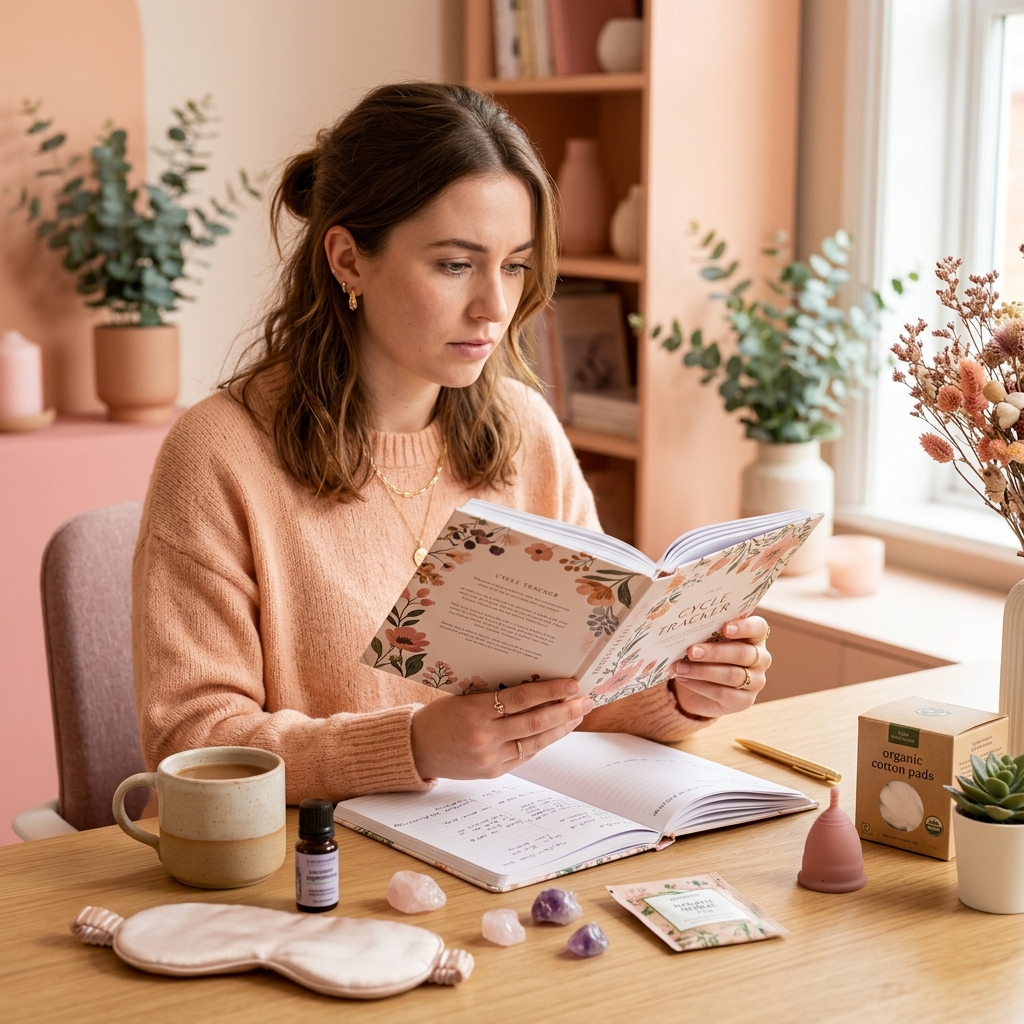
You know that familiar cramping sensation. It feels exactly like your period is starting — the dull, pulling ache in your lower abdomen, maybe radiating to your lower back. Except you look, and there's no blood. Your period never comes. Or it comes days or weeks later. Or not at all.
What's going on?
The answer is that cramping without menstruation has a surprisingly wide range of causes — from the completely harmless and self-resolving, to the medically significant and time-sensitive. Understanding which category your situation falls into is important. Let's go through them systematically.
Normal Physiological Causes (Harmless)
1. Ovulation Pain (Mittelschmerz)
Roughly 20% of women experience noticeable pain at mid-cycle when one of their ovaries releases an egg. This is called mittelschmerz — German for "middle pain." It typically occurs 10–16 days before your next period and feels like a one-sided, sharp or cramping sensation in the lower abdomen. It lasts anywhere from a few minutes to 48 hours and requires no treatment, though a heating pad or ibuprofen helps if uncomfortable.
2. Implantation Cramping
If you're trying to conceive or have had unprotected sex, cramping around 6–12 days after ovulation may indicate implantation — when a fertilized egg embeds in the uterine lining. Implantation cramping is typically mild and brief, and may be accompanied by light spotting (implantation bleeding). This is one of the earliest detectable signs of pregnancy, before a missed period would even be apparent.
3. Premenstrual Cramping (Period Is Just Delayed)
If your cramps feel period-like but your period hasn't started yet, it may simply be on its way. Uterine contractions can begin in the premenstrual phase, especially if you have elevated prostaglandin sensitivity. Stress, travel, illness, or changes in sleep can delay your period by several days while the hormonal signals are still triggering physical symptoms.
4. Anovulatory Cycle
In some cycles — particularly common in teenagers, perimenopausal women, or those under high stress — the ovaries don't release an egg (anovulation). The hormonal changes still occur but are erratic, and the uterus may cramp as it prepares for a period that arrives much later, very lightly, or not at all that month. Anovulatory cycles are a normal occasional occurrence, but frequent anovulation warrants evaluation.
Reproductive and Hormonal Conditions
5. Endometriosis
Endometriosis is the growth of endometrial-like tissue outside the uterus — on the ovaries, fallopian tubes, bladder, or bowel. This tissue responds to your menstrual hormones and bleeds during your cycle, but the blood has nowhere to go. This causes intense cramping that can occur throughout the month, not just during menstruation. Endometriosis is chronically underdiagnosed; if you have severe, cyclically worsening pain that doesn't respond to OTC medications, please seek evaluation from a gynecologist.
6. Polycystic Ovary Syndrome (PCOS)
PCOS is a hormonal disorder characterized by irregular or absent periods, elevated androgens, and often multiple small ovarian cysts. The erratic hormonal signaling in PCOS can cause pelvic cramping at unpredictable times — without a corresponding period. Women with PCOS may go weeks or months without a period while experiencing intermittent cramping as the uterus receives mixed hormonal signals.
7. Ovarian Cysts
Functional ovarian cysts — fluid-filled sacs that form during the menstrual cycle — are extremely common. Most resolve on their own within 1–3 menstrual cycles. While present, they can cause dull aching, bloating, pressure, and cramping on one side. A ruptured cyst can cause sudden, sharp pain. If you experience severe, sudden pelvic pain, especially with fever or nausea, seek emergency care.
8. Pelvic Inflammatory Disease (PID)
PID is an infection of the reproductive organs, usually caused by sexually transmitted bacteria like chlamydia or gonorrhea. It causes persistent, often worsening pelvic pain, abnormal discharge, fever, and pain during intercourse. PID can cause period-like cramping at any point in the cycle and requires prompt antibiotic treatment to prevent long-term complications including infertility.
9. Ectopic Pregnancy
If you've had recent unprotected sex or a missed period, and are experiencing one-sided cramping, this must be considered. An ectopic pregnancy occurs when a fertilized egg implants outside the uterus — usually in the fallopian tube. It cannot develop normally and can be life-threatening if the tube ruptures. Early symptoms include pelvic pain on one side, light bleeding, and shoulder pain. This is a medical emergency requiring immediate care.
10. Thyroid Disorders and Perimenopause
Both hypothyroidism and perimenopause (the years leading up to menopause) can cause irregular cycles with period-like cramping that doesn't always correspond to actual bleeding. As hormone levels become erratic in these conditions, the uterus receives inconsistent signals. The result is unpredictable cramping, irregular or missed periods, and often a significant change in flow when it does appear.
You have severe, sudden, one-sided pelvic pain (possible ectopic pregnancy or ruptured cyst) • Pelvic pain with high fever and vomiting (possible PID or appendicitis) • Pain so severe you cannot stand or walk • Pelvic pain with shoulder pain (internal bleeding) • These symptoms represent potential emergencies regardless of where you are in your cycle.
Other Possible Causes (Non-Reproductive)
Not all cramping that feels like a period is actually coming from the uterus. The pelvic region shares nerve pathways with several other organ systems:
- Irritable Bowel Syndrome (IBS): The colon sits adjacent to the uterus. IBS flares — especially around hormonal shifts — can feel exactly like menstrual cramping. Many women with IBS notice their symptoms worsen premenstrually due to progesterone's relaxation effect on gut smooth muscle.
- Interstitial Cystitis (IC): A chronic bladder condition that causes pelvic pressure and pain that can mimic period cramps, often worsening at certain points in the cycle.
- Constipation: Straining and impacted stool can create significant lower abdominal cramping that closely resembles menstrual pain. Very common and often overlooked.
- Muscle strain: Overexertion of the core or hip flexor muscles can create deep aching that's easily confused with uterine cramping.
What Should You Do?
Here's a practical framework for deciding your next step:
- Is there any chance you could be pregnant? If yes, take a home pregnancy test. A positive result + cramping + no bleeding = see a doctor urgently (rule out ectopic).
- Is this a new symptom or a recurring pattern you've had for years? New, worsening, or suddenly changed cramping is more concerning than a predictable mid-cycle ache you've always had.
- Is pain affecting your quality of life? Pain that stops you from going about your normal life is worth investigating, whatever the cause.
- Are there additional symptoms? Fever, unusual discharge, pain during sex, very heavy bleeding when it does arrive, or bowel/bladder symptoms all suggest a specific underlying condition.
Track Your Cycle — Know Your Patterns
If you're experiencing pain without a period, tracking your cycle carefully is the most powerful first step. Our Period Calculator helps you identify where you are in your cycle and spot patterns over time.
Start Tracking My Cycle →Final Thoughts
Cramping without a period is your body communicating — the message might be as simple as "ovulation just happened" or as significant as "something needs medical attention." The key is not to ignore it and not to catastrophize it, but to pay attention to the pattern, the severity, and any accompanying symptoms. Most causes are benign. But the ones that aren't are much more treatable when caught early.
Consistent cycle tracking is one of the most valuable things you can do for your menstrual health. It turns confusing symptoms into clear, actionable data — and gives you the confidence to know when something is within the range of normal, and when it's time to seek care.